
What’s the real difference between custom enamel medals and stamped medals?
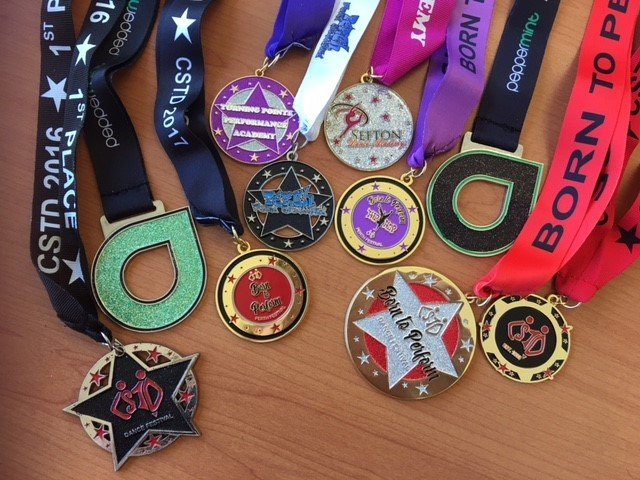
The core difference is the finish and how the design is expressed. Enamel medals use recessed areas filled with colored enamel, creating bold, high-contrast designs, while stamped medals rely on raised and recessed metal only, sometimes with plating or light color treatments.
Custom enamel medals are typically chosen when they want logos, mascots, or multi-colour artwork to look crisp. Stamped medals are a better fit when they want a classic metal look with minimal colour.
Which option looks more premium in hand?
Custom enamel medals usually look more premium because color fills, clean lines, and optional polished borders create a “badge-like” presence. Stamped medals can still look high-end, but they depend more on sculpting quality, metal thickness, and plating.
If they want the medal to pop in photos and on social media, enamel tends to win. If they want a traditional, understated finish, stamped medals often feel more timeless.
Which one holds up better over time?
Enamel medals generally hold up well, but durability depends on the enamel type and how the recessed areas are protected. Stamped medals have fewer filled surfaces, so there’s less risk of chipping, but they can show scratches and wear on raised details.
For heavy handling, frequent shipping, or long-term keepsakes, they should prioritize quality plating, sufficient thickness, and protective packaging regardless of style.
How do they compare on design flexibility?
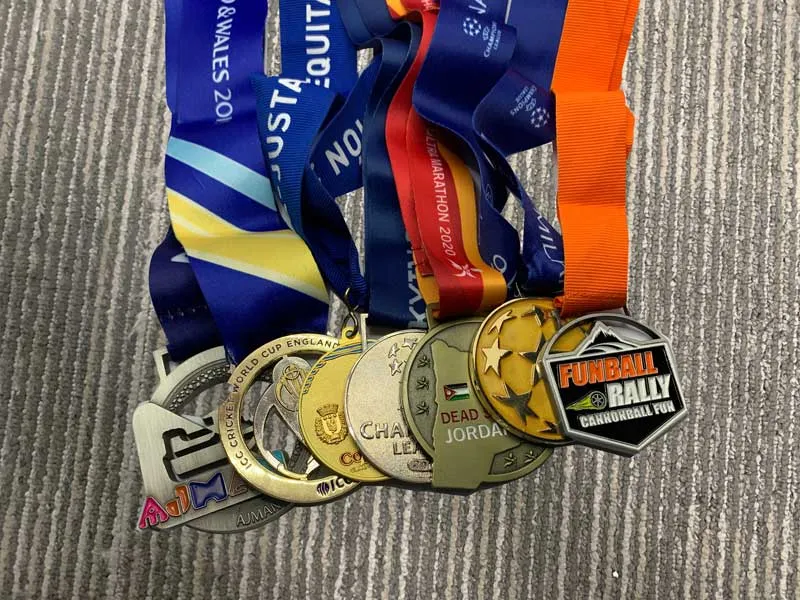
Enamel medals offer more flexibility for branding because they can handle multiple colors, sharp separations, and clear iconography. Stamped medals are more limited with fine detail, especially when they try to communicate complex art without color.
If their design includes gradients, tiny text, or very intricate elements, neither option handles true gradients well, but enamel usually communicates the idea better through bold color blocks and simplified shapes.
Which is better for logos and brand colors?
Custom enamel medals are typically better for logos and brand colors because enamel fills allow specific color matching and clearer separation. Stamped medals can include color via printing or coatings, but the classic stamped look is strongest when they keep it metallic.
If brand recognition matters, enamel is the safer choice. If the event identity is more traditional, stamped medals can still look official and credible.
Which one is more cost-effective for most orders?
Stamped medals are often more cost-effective, especially for simple designs, large quantities, and tight timelines. Enamel medals can cost more due to additional steps, color fills, and finishing, though pricing varies with size, number of colors, and mold complexity.
If they are optimizing for price per unit, stamped is usually the starting point. If they are optimizing for perceived value, enamel can justify the higher cost.
What about lead time and production speed?
Stamped medals can be faster because the process is straightforward and avoids enamel filling and curing steps. Enamel medals may take longer due to color fills, drying, polishing, and extra quality checks.
If they have a hard event date and little buffer, they should confirm timelines early and choose the option with fewer production variables. See best acrylic pin manufacturer selection tips.
Which is better for sports events vs corporate awards?
For sports events, stamped medals work well when they need volume, simplicity, and a classic finish. Enamel medals work well when they want distinct tiers, bold event branding, or sponsor-forward designs.
For corporate awards, enamel medals often feel more intentional and brand-aligned. Stamped medals can still fit corporate use when they want minimalism, elegance, and a strong metal-first aesthetic.
How should they decide based on budget, audience, and purpose?
They should pick custom enamel medals when they want strong branding, multiple colors, and a premium feel that stands out in photos. They should pick stamped medals when they want a classic look, lower costs, and efficient production for large batches.
A practical rule helps: if the medal is meant to market the event or brand after the finish line, enamel is usually better. If it’s meant to reward participation at scale, stamped is often the smarter choice.
So, which is better overall?
Neither is universally better; it depends on their priorities. Custom enamel medals usually win on visual impact and brand clarity, while stamped medals often win on simplicity and cost efficiency.
If they want the safest “wow factor” for most audiences, enamel is typically the better bet. If they want a clean, traditional medal with predictable costs, stamped is often the better choice.
FAQs (Frequently Asked Questions)
What is the main difference between custom enamel medals and stamped medals?
The primary difference lies in their finish and design expression. Custom enamel medals feature recessed areas filled with colored enamel, producing bold, high-contrast designs ideal for logos and multi-color artwork. Stamped medals rely on raised and recessed metal details without color fills, offering a classic metal look that’s simpler and often more cost-effective.
Which type of medal looks more premium and brand-forward?
Custom enamel medals typically appear more premium due to their vibrant color fills, clean lines, and polished borders that create a badge-like presence. They stand out well in photos and on social media. Stamped medals can still look high-end but tend to have a timeless, understated finish relying on metal sculpting quality and plating.
How do enamel and stamped medals compare in durability over time?
Enamel medals generally hold up well if the enamel type and recessed area protection are high quality. However, they can be susceptible to chipping. Stamped medals have fewer filled surfaces, reducing chipping risk but may show scratches or wear on raised metal parts. For long-term keepsakes or heavy handling, quality plating, sufficient thickness, and protective packaging are essential regardless of medal style.
Which medal option offers greater design flexibility for complex artwork?
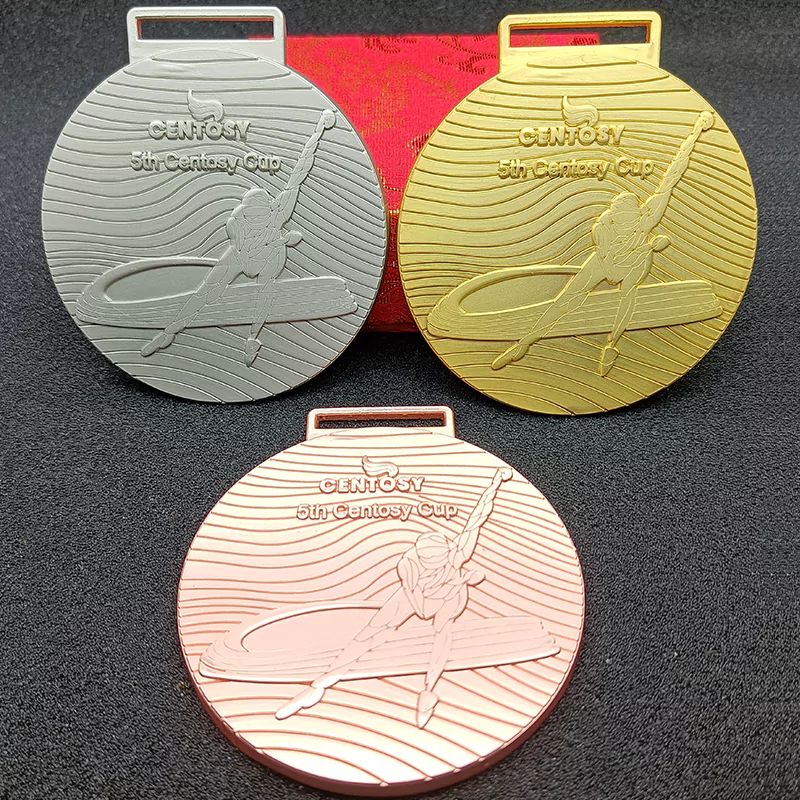
Custom enamel medals provide greater design flexibility by accommodating multiple colors, sharp separations, and clear iconography. While neither option handles gradients perfectly, enamel medals communicate complex designs better through bold color blocks and simplified shapes. Stamped medals are more limited in fine detail representation without color.
Are custom enamel medals better suited for showcasing logos and brand colors?
Yes, custom enamel medals are typically better for displaying logos and brand colors because their color fills allow precise color matching and clearer separation of design elements. Stamped medals can include some color via printing or coatings but generally maintain a metallic look that suits traditional event identities.
Which medal type is more cost-effective and faster to produce?
Stamped medals are generally more cost-effective, especially for simple designs, large orders, or tight deadlines due to their straightforward production process without enamel filling steps. Enamel medals tend to cost more because of additional steps like color filling, drying, polishing, and extra quality checks, resulting in longer lead times.