
Briefing a supplier on corporate hampers sounds simple until the first delivery turns up looking a bit off brand, a bit late, or just not what they pictured. In Australia, where teams are spread across cities and regions, the brief is basically the project. If the brief is clear, the supplier can execute. If it is vague, everyone ends up “just checking” things at the last minute.
This guide lays out what to include, how to say it, and what to confirm so the supplier can produce consistent corporate hampers without endless back and forth.
What should they tell the supplier first about corporate hampers?
They should open with the purpose, audience, and the occasion. That single block of context helps the supplier choose the right format, products, and presentation for the corporate hampers.
For example, are these for staff recognition, client gifting, settlement gifts, end of financial year, or a conference in Sydney or Melbourne? The supplier will brief their own team off this, so it needs to be explicit, not implied.
Who are the recipients and what matters about them?
They should define who is receiving the gift and what the gift needs to communicate. A hamper for a long-term client in Brisbane is usually different to a “thank you” for contractors on a Perth site.
Key details: recipient type (clients, staff, VIPs), seniority, any cultural considerations, and typical workplace setting. If recipients are remote or hybrid, that can affect packaging and delivery windows for the corporate hampers.
What budget and value cues should be included?
They should give a per hamper budget range and describe what “good value” looks like to them. Suppliers can hit a number in different ways, and some options look cheap even when they are not.
They should specify whether pricing must include VAT, packaging, personalisation, and delivery. If there are multiple tiers, they should state quantities per tier so the supplier can quote corporate hampers accurately.
How many hampers are needed and where are they going in Australia?
They should provide quantities plus an address plan, even if it is provisional. Shipping one address in Adelaide is a different job to shipping 200 residential addresses across Australia.
They should clarify if deliveries are to offices, homes, PO boxes, or site locations. For corporate hampers going to regional areas, they should ask the supplier about carrier limitations and realistic transit times.
What delivery dates, cut offs, and timing constraints apply?
They should state the delivery deadline and the “no later than” date, then ask for the supplier’s production cut off. This avoids the classic issue where the supplier accepts the order but the courier timeline does not cooperate.
If gifts must land before Christmas shutdown, Easter, or end of financial year, they should say so directly. For corporate hampers tied to an event date, the brief should include a buffer, not a wish.
What products are allowed, preferred, or not allowed?
They should list inclusions and exclusions in plain language. That means dietary needs (halal, vegan, gluten free), alcohol rules, and any company policies about gifting.
They should also flag items that do not travel well in Australian heat, like chocolate without insulation. When the supplier knows the boundaries, they can build corporate hampers that fit the brief without risky substitutions.
How should branding and presentation be specified?
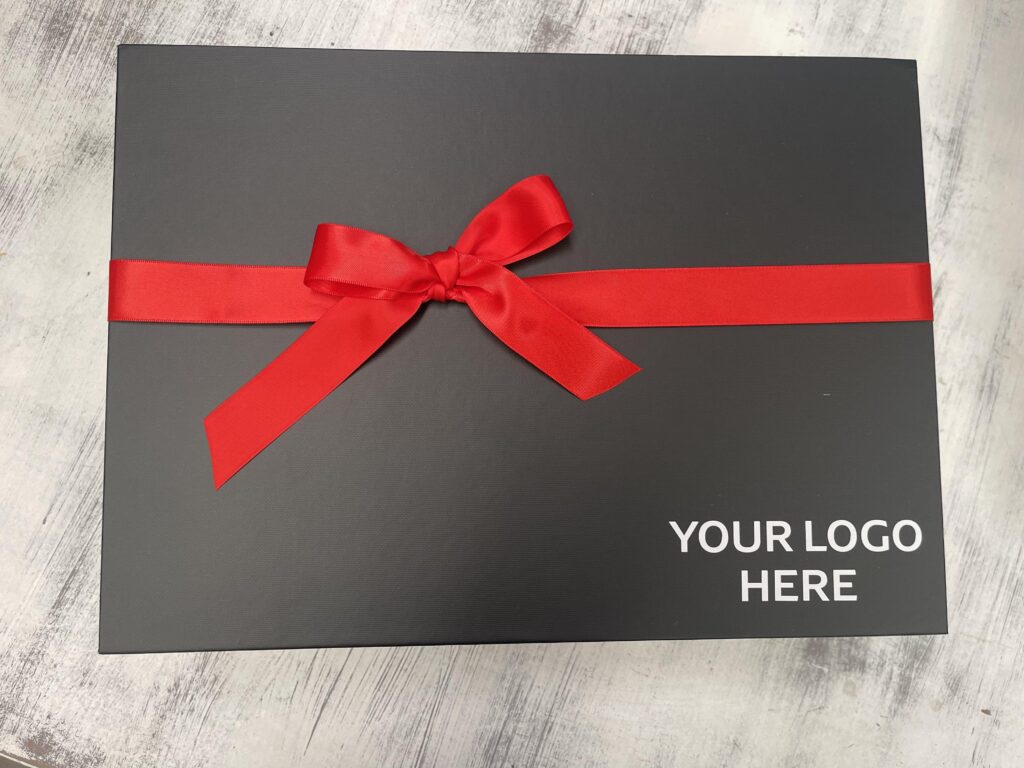
They should describe the look and feel, then attach brand assets. “Premium and minimalist” is useful, but only when paired with colour codes, logo files, and examples.
They should specify where branding appears: sleeve, ribbon, box print, card, sticker, or packing slip. For corporate hampers, it is also worth stating what must not happen, like oversized logos or loud seasonal patterns that clash with brand guidelines.
What personalisation details should they supply?
They should tell the supplier whether names, roles, or company names need to appear on cards or labels. Personalisation can be the difference between thoughtful and generic, but it also introduces data handling.
They should send a spreadsheet template with required columns and agree a lock date for changes. For corporate hampers sent to multiple Australian locations, they should confirm how address errors are handled and what re-delivery costs apply.
What message should be included and who approves it?
They should provide the card message early and name the internal approver. Suppliers can print quickly, but approvals can drag, so the brief needs a decision maker.
They should also specify tone, length limits, and whether a handwritten option is needed. For corporate hampers going to high value clients, even the sign off name and job title can matter more than the product mix.
What quality standards and substitutions policy should be agreed?
They should ask the supplier how they handle stock shortages and what “like for like” means in practice. If substitutions are allowed, the brief should define an approval threshold.
They should request a sample or photo approval for the first packed unit, especially for large runs. With corporate hampers, consistency is the point, so a clear process for quality checks matters.
What compliance, safety, and dietary labelling should be confirmed in Australia?
They should confirm that all food items are within date, sealed, and labelled appropriately. In Australia, recipients expect ingredient lists and allergen information to be accurate, especially in mixed product hampers.
They should ask how the supplier stores and packs perishable or heat-sensitive items. If corporate hampers include alcohol, they should confirm age-related delivery handling and any restrictions.
How should they structure the brief so the supplier can quote fast?
They should provide a one-page summary plus attachments, instead of a long email thread. A clean structure makes it easy for the supplier to price and spot gaps.
A practical format is: objectives, audience, quantities, budget, delivery plan, product rules, branding requirements, personalisation, timeline, approvals, and payment terms. The clearer the input, the smoother the corporate hampers project runs.
What questions should they ask the supplier before signing off?
They should ask questions that reveal risk early, not after purchase orders are raised. The aim is to surface lead times, delivery constraints, and what happens when things go wrong.
Good questions include: Where are the items packed in Australia? What is the dispatch schedule? What couriers are used? Can they track by recipient? And how do they manage returns? This keeps corporate hampers from turning into a support ticket pile.
What should they include in a simple corporate hampers brief template?
They should include a copy-paste template the supplier can respond to, with blanks filled in. It saves time and makes comparisons between suppliers fair.
Corporate hampers brief template (Australia)
- Purpose and occasion:
- Recipient type and any sensitivities:
- Quantity and tiers:
- Budget per hamper (incl or excl GST):
- Delivery locations (state, metro or regional, office or residential):
- Delivery deadline and preferred dispatch window:
- Inclusions (must have):
- Exclusions (must not include):
- Branding assets and placement notes:
- Card message and sign off:
- Personalisation file provided by (date):
- Substitution rules and approval contact:
- Sample or photo approval required (yes or no):
If they send this with brand files and an address list timeline, suppliers can build and deliver corporate hampers with far fewer surprises.
How do they avoid the most common mistakes with corporate hampers?
They should avoid vague language, late changes, and unrealistic delivery expectations. Most failures come from missing details, not bad intent.
They should not assume the supplier knows their brand tone or internal policies. They should also avoid leaving personalisation and address collection to the final week. For corporate hampers in Australia, timing and logistics are half the job, so the brief needs to treat them that way.
What does a “good” brief look like in practice?
They should aim for specific, calm, and complete. A good brief reads like someone has done this before, even if they have not.
It sets the goal, defines constraints, provides assets, names approvers, and locks dates. When that happens, the supplier can produce corporate hampers that look intentional, arrive on time, and feel like they belong to the organisation, not like a rushed checkout cart.
FAQs (Frequently Asked Questions)
What key information should I provide when briefing a supplier on corporate hampers?
Start by clearly stating the purpose, audience, and occasion for the corporate hampers. This context helps the supplier select appropriate formats, products, and presentations tailored to your needs, whether it’s staff recognition, client gifting, or events like conferences in specific cities.
How do I specify recipient details to ensure the corporate hampers are appropriate?
Define who will receive the gifts—including recipient type (clients, staff, VIPs), seniority levels, cultural considerations, and workplace settings. Also mention if recipients are remote or hybrid workers, as this influences packaging and delivery schedules.
What budget guidelines should I communicate to my hamper supplier?
Provide a per hamper budget range and explain what ‘good value’ means to you. Clarify whether pricing should include VAT, packaging, personalisation, and delivery costs. If there are multiple tiers of hampers, specify quantities per tier for accurate quoting.
How should I outline delivery requirements for corporate hampers across Australia?
Supply quantities along with a detailed address plan—even if provisional—including whether deliveries go to offices, homes, PO boxes or site locations. For regional deliveries, discuss carrier limitations and realistic transit times with your supplier to avoid delays.
What branding and presentation details need to be included in the brief?
Describe the desired look and feel using clear descriptors paired with brand assets like colour codes, logo files, and examples. Specify where branding should appear (e.g., sleeve, ribbon, box print) and any restrictions such as avoiding oversized logos or clashing seasonal patterns.
How can I manage product choices and dietary requirements in corporate hampers?
List allowed and excluded products plainly—covering dietary needs such as halal, vegan or gluten-free options—and company policies on items like alcohol. Highlight items that may not travel well in Australian climates (e.g., uninsulated chocolate) so suppliers can avoid risky substitutions.
More to read: Sports Keychains as a Fundraising Staple for Local Clubs