
Local clubs across Australia are always looking for fundraising ideas that are affordable, practical, and easy to run. Sports keychains keep showing up as a reliable option because they are low-cost to order, simple to sell, and useful for supporters long after the fundraiser ends.
They also suit almost any code, from footy and netball to cricket, hockey, and swimming. When clubs choose designs that match their colours and culture, custom sports keychains can quickly become a small badge of belonging.
Why do sports keychains work so well for club fundraising?
They work because supporters actually use them, which makes them an easy “yes” purchase at the canteen, the clubhouse, or a weekend event. Sports keychains sit in the sweet spot of being inexpensive, portable, and giftable.
They also help clubs avoid the common fundraising problem of leftover stock that nobody wants. A keychain is practical, so sports keychains can sell steadily over a season instead of relying on one big sales day.
What makes sports keychains better than chocolates or raffle tickets?
They are less time-sensitive and far less administration-heavy. Sports keychains do not melt, expire, or require ongoing prize management and compliance work like raffles can.
They also avoid the awkwardness of asking someone to buy something they do not need. Most supporters can justify sports keychains because they solve a simple problem: keeping keys organised while showing club pride.
Who typically buys sports keychains at local clubs?
They usually sell best to parents, junior players, coaches, volunteers, and grandparents who attend matches. Sports keychains are also popular with past players and local sponsors who want a small, visible way to support the club.
In many Australian communities, visiting teams and their families will also buy them as a friendly souvenir, especially if the design includes the club name and suburb.
Where do clubs sell sports keychains for the best results?
They sell well at the point of foot traffic: canteens, registration days, presentation nights, and home games. Clubs that place sports keychains beside EFTPOS taps and counters often see more impulse buys.
They can also be bundled into sign-on packs for juniors. That approach turns sports keychains into a set-and-forget fundraiser because sales happen automatically during registration periods.
When should clubs launch a sports keychains fundraiser?
The best time is when people are already engaged, like pre-season sign-ons, early-season home fixtures, or finals. Launching sports keychains when uniforms are being collected also helps because supporters are already in a “club purchase” mindset.
Many clubs also do well selling them in November and early December as stocking fillers. Sports keychains can be an easy, low-pressure Christmas add-on for families.
How much profit can clubs realistically make from sports keychains?
They can generate strong margins because unit costs are often low and pricing is flexible. Clubs typically price sports keychains to feel like a small donation rather than a retail transaction, which can lift conversion.
Profit depends on order size, design complexity, and whether there is custom branding. A simple way to protect margin is ordering one or two high-volume designs rather than many niche variations.
How should clubs price sports keychains without scaring supporters off?
They should price them so the buyer feels good about supporting the club, not like they are being upsold. Sports keychains tend to sell best at “gold coin donation” to low double-digit pricing, depending on materials and customisation.
It also helps to display a short sign explaining what the purchase funds. When supporters know the impact, they are more likely to buy two or three sports keychains at once for family members.
What designs and styles sell best in Australian communities?
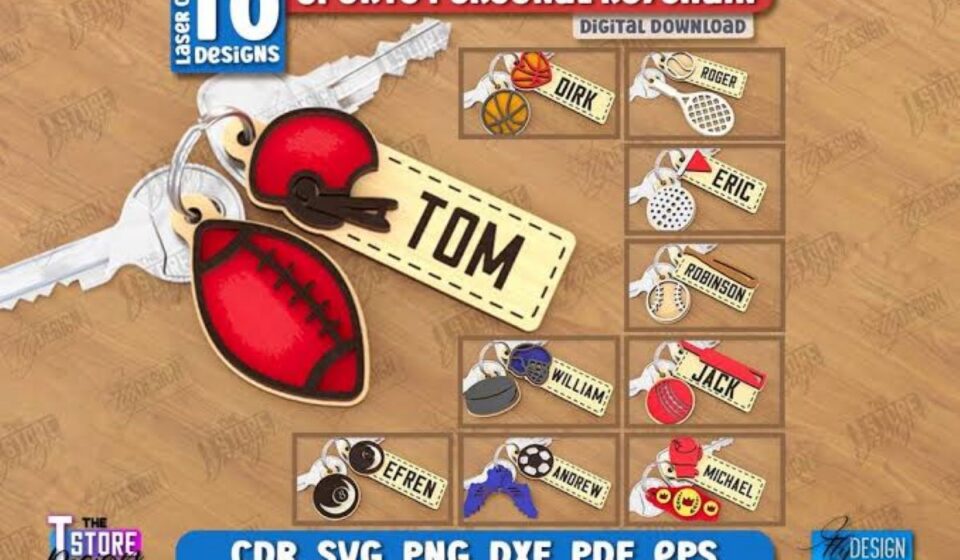
They sell best when they look like the club, not like generic merch. Sports keychains that include club colours, a recognisable mascot, or a simple emblem usually move faster than busy designs.
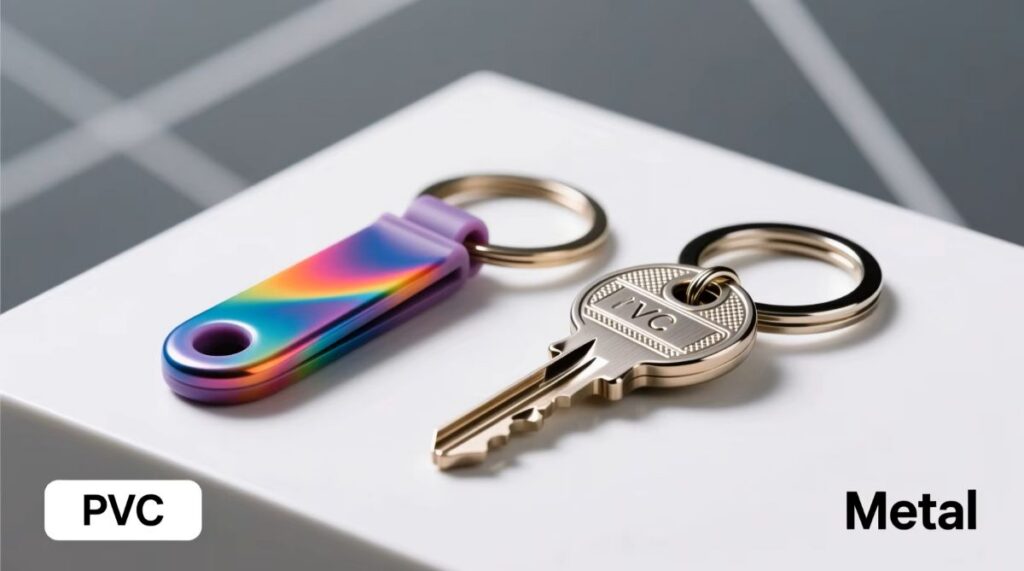
Practical styles also win, like bottle opener keychains for canteen culture, whistle-style designs for coaches, or durable acrylic and metal options for everyday use. Clubs should keep readability high so the name and suburb are clear. Check out more about AIS Whistle.
How can clubs tailor sports keychains to different codes and age groups?
They can match the design to what members identify with most. A junior footy club might lean into bold colours and mascots, while a cricket club might prefer a classic bat-and-ball motif. Sports keychains can also reflect a club’s history, such as a heritage crest.
For age groups, juniors often like bright, fun shapes, while adults prefer minimal, functional options. A two-design approach usually covers both without complicating stock.
What’s the simplest way to run the fundraiser without extra volunteer load?
They should treat it like a canteen product, not a separate campaign. Sports keychains can be counted into a simple stock sheet, stored in a small tub, and sold via the club’s usual payment setup.
Assigning one person to reorder points helps, but it should not require weekly meetings. Clubs can also allocate a small display stand at the counter so volunteers are not actively “selling” the sports keychains every transaction.
How can clubs promote sports keychains without sounding salesy?
They should frame it as a small way to help, not a hard sell. One short post on Facebook and Instagram, a mention in the weekly email, and a sign at the canteen can be enough for sports keychains.
Photos matter more than copy. Showing the keychains on car keys, club lanyards, or in a junior’s kit bag makes the product feel real. Clubs can also ask a coach or captain to share a quick “what it supports” message.
How do sports keychains support sponsor relationships?
They can be used as a simple sponsor add-on, like “sponsored by” on a backing card or a small logo on packaging. Sports keychains can also be bundled into sponsor thank-you packs or included in community event giveaways.
For Australian small businesses, this is attractive because the item stays in daily use. A sponsor-branded backing card can keep the club as the hero while giving the sponsor genuine visibility.
What mistakes should clubs avoid with sports keychains fundraisers?
They should avoid ordering too many designs, choosing poor-quality hardware, or skipping a sample check. Sports keychains need sturdy rings and secure joins because a broken keychain can damage trust fast.
They should also avoid hiding them away in a drawer. A fundraiser only works when people can see it. Finally, clubs should avoid unclear pricing or cash-only sales, because friction at the counter kills impulse buys.
How can clubs keep the fundraiser running all season?
They can make it part of normal club life. Keeping sports keychains available at every home game, plus at training nights with a small payment option, creates steady sales without big pushes.
Clubs can also tie sales to milestones, like “Round 1 launch” or “Finals support drive,” while still selling the same product. A small end-of-season restock can bridge into presentation nights and summer events.
What should clubs do next to get started?
They should pick one strong design, choose a practical material, and set a clear goal that supporters can understand. Sports keychains sell best when the club can say exactly what the money helps fund, like new match balls, line marking supplies, or junior equipment.
They should then decide where the sales will happen, who will hold stock, and how payment will work. With that in place, sports keychains can become a simple fundraiser that keeps delivering year after year.
Related : Which Materials Make Custom Keyrings Last Longer Every Day?
FAQs (Frequently Asked Questions)
Why are sports keychains an effective fundraising option for local clubs?
Sports keychains are effective because they are low-cost, practical, and easy to sell. Supporters use them regularly, making them an easy “yes” purchase at events like canteens or home games. Their affordability and usefulness help clubs avoid leftover stock, enabling steady sales over a season.
How do sports keychains compare to traditional fundraisers like chocolates or raffle tickets?
Unlike chocolates or raffles, sports keychains do not expire, melt, or require complex prize management and compliance. They avoid putting supporters in awkward positions of buying unnecessary items since keychains serve a practical purpose—organizing keys while showing club pride.
Who typically purchases sports keychains at local Australian clubs?
Sports keychains are popular among parents, junior players, coaches, volunteers, grandparents attending matches, past players, local sponsors, and visiting teams’ families who often buy them as friendly souvenirs especially when designs include club names and suburbs.
Where and when should clubs sell sports keychains for optimal fundraising results?
Clubs find the best sales at high foot traffic points such as canteens, registration days, presentation nights, and home games. Launching fundraisers during pre-season sign-ons, early-season fixtures, finals, or when uniforms are collected helps capitalize on supporters’ engagement. Additionally, November and early December sales cater well to Christmas stocking fillers.
How should clubs price sports keychains to maximize sales without deterring supporters?
Pricing should feel like a small donation rather than a retail transaction. Gold coin donations up to low double-digit prices work well depending on materials and customization. Displaying signage explaining what the purchase supports encourages buyers to feel good about their contribution and can lead to multiple purchases.
What design elements make sports keychains most appealing in Australian community clubs?
Keychains that reflect the club’s identity—using club colours, mascots, or simple emblems—sell better than generic designs. Practical styles like bottle opener or whistle-shaped keychains resonate with specific roles like coaches or canteen culture. Clear readability of the club name and suburb is essential for recognition and appeal.