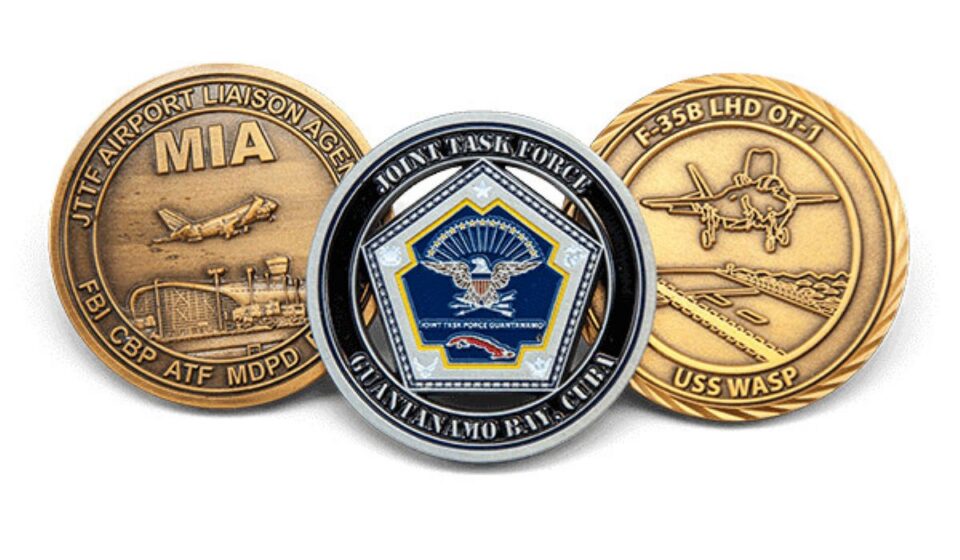

Custom coins look simple at first glance, but they are the end result of dozens of tiny decisions. In Australia, makers combine traditional minting principles with modern tooling to produce custom coins that feel premium in the hand and sharp in the details.
This guide breaks down striking, plating, and edging in plain terms. It focuses on what shapes quality, what affects cost, and what clients should ask before approving a production run of custom coin design.
What does “striking” mean in the making of custom coins?
Striking is the step where a blank metal disc is pressed between dies to form the design. For custom coins, this is where fine lines, text crispness, and surface finish are either won or lost.
Australian buyers often see “soft” results when the die depth, pressure, or metal choice is mismatched. Clean strike planning matters most when the artwork includes small lettering, tight borders, or detailed crests.
How do dies shape the final look of custom coins?
Dies are engraved tools that carry the front and back designs, and they determine the sharpness of every raised or recessed element. With custom coins, die quality influences everything from facial features on portraits to the precision of micro-text.
If the die is over-polished, detail can blur. If it is under-finished, marks can show through on flat fields. A good die plan also accounts for relief height so the coin does not look “puffy” or uneven.
Which metals are commonly used for custom coins in Australia?
The most common base metals are zinc alloy, brass, copper, and iron, selected based on weight, detail needs, and budget. For custom coins, brass and copper often provide a denser, more premium feel, while zinc alloy is popular for complex shapes and cost control.
Australian organisations ordering event pieces often choose zinc alloy for flexibility. Collector-focused runs frequently lean toward brass for its heft and cleaner edge definition.
What is the difference between soft enamel and hard enamel on custom coins?
Soft enamel sits lower than the metal lines, so the raised metal borders can be felt with a fingertip. Hard enamel is filled and then polished flat, producing a smooth surface that looks more like a traditional badge finish.
For custom coins, soft enamel is often chosen when they want strong metal definition and a slightly textured feel. Hard enamel suits designs that need a sleek, glassy surface and easier wipe-clean handling.
How does plating change the colour and durability of custom coins?
Plating is a thin metal coating applied over the base metal to achieve colour, style, and protection. For custom coins, common plating options include gold, silver, nickel, copper, antique finishes, and black nickel.
In Australian conditions, plating choice can affect how well the coin resists marks from handling at conferences, schools, or club meetings. Antique plating can disguise fingerprints and small scuffs, while bright plating highlights every surface flaw.
What is “antique” plating, and why do buyers choose it for custom coins?
Antique plating adds darkened recesses and highlights raised areas, creating contrast and an aged look. It is popular for custom coins with crests, animals, military-style emblems, or heritage themes because it makes depth easier to read.
They often choose antique gold or antique silver when the design includes heavy relief. It can also reduce the need for enamel by using shadow and texture to carry the visual interest.
How are edges made, and why do they matter for custom coins?
Edging is the work done on the perimeter, and it changes both feel and function. On custom coins, the edge can be plain, reeded, rope-style, cross-cut, or custom-patterned to match the theme.
A well-made edge makes a coin feel intentional, not like a token. It also affects grip, especially for larger pieces used in presentations, awards, or challenge-style exchanges in Australian clubs and services groups.
What is reeding, and when is it used on custom coins?
Reeding is the series of fine grooves around the edge, similar to many circulating coins. For custom coins, reeding adds tactile feedback and a classic mint-style finish.
They often use it when the coin is meant to feel “official” or when the design is minimal and needs an extra premium cue. It can also help hide small edge dings that may happen during bulk handling and packing.
Can custom coins have shaped outlines and cut-outs?
Yes, makers can produce custom outlines, internal cut-outs, and layered constructions depending on the base metal and tooling plan. With custom coins, shaping is often used for mascots, state silhouettes, unit badges, or event logos.
Australian event teams like shaped coins when they want instant recognition in photos. The key is ensuring the design still has enough flat area for strong striking and stable plating across corners and thin sections.
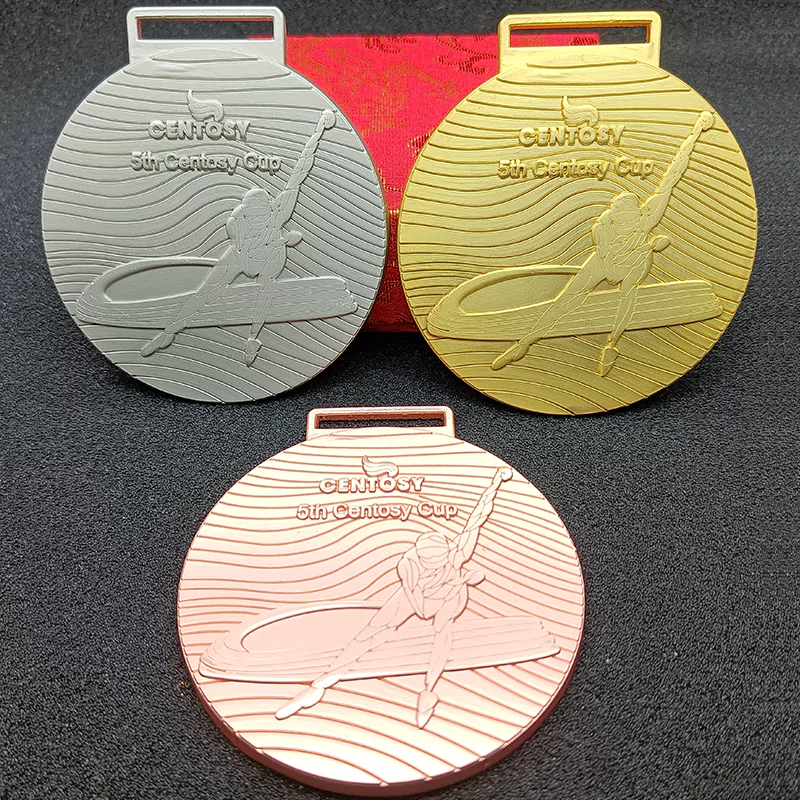
How do proof-like and matte finishes affect the look of custom coins?
A proof-like finish uses highly polished dies or post-polishing to create mirror-like fields. Matte finishes reduce glare and can make fine detail easier to see under bright indoor lighting.
For custom coins, a proof-like surface can look premium but shows fingerprints quickly. Matte or satin finishes suit pieces that will be handled often at Australian fundraisers, school awards, or sports presentations.
What role do colour fills and print play in custom coins?
Enamel fills add bold colour in recessed areas, while print can apply gradients, photos, or very fine colour detail. For custom coins, enamel is usually more durable and tactile, while print is more flexible visually but can wear faster if the coin is heavily handled.
They often combine both by using enamel for large colour blocks and print for small logos. Clear coating can help protect printed areas, but it can also change the feel of the surface.
How do makers balance detail, depth, and readability on custom coins?
They balance relief height, line thickness, and negative space so the design reads cleanly at coin size. For custom coins, artwork that looks perfect on a screen can fail when tiny text, thin lines, or crowded symbols are forced into a small diameter.
A practical approach is to simplify, enlarge key elements, and use contrast strategically. Deep relief looks impressive, but only when paired with enough spacing to prevent metal flow issues during striking.
See Also : Sports Keychains as a Fundraising Staple for Local Clubs
What should Australian buyers check in a pre-production sample of custom coins?
They should check the sharpness of text, the evenness of plating, and the cleanliness of flat areas for marks or pitting. For custom coins, they should also check colour accuracy under normal lighting, not just studio photos.
Edge consistency matters too. If the edge pattern is shallow or uneven, it can signal tool wear or rushed finishing. A sample review is also the best time to confirm weight, thickness, and overall “hand feel.”
How do packaging and presentation affect the perceived quality of custom coins?
Presentation can lift perceived value as much as a finish upgrade. For custom coins, common Australian-ready packaging includes velvet pouches, acrylic capsules, display boxes, and foam inserts for sets.
They should choose packaging that matches how the coin will be given out. A club presentation night may suit a box, while a large event distribution may suit capsules for speed and protection.
What factors most influence cost and turnaround for custom coins in Australia?
The main cost drivers are die creation, plating choice, enamel complexity, special edges, and packaging. For custom coins, shaped outlines, cut-outs, multiple platings, and high-relief designs typically add cost because they add steps and quality risk.
Turnaround depends on proofing speed and sample approval. If they want delivery for an Australian event date, the simplest way to protect the schedule is to lock artwork early and keep revisions minimal.
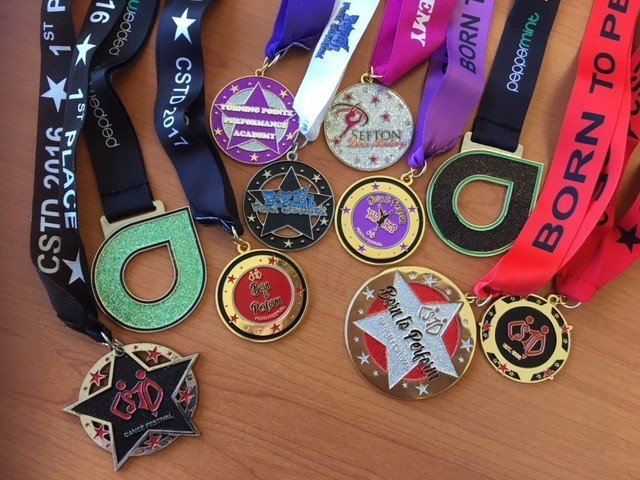
How can they choose the right combination of striking, plating, and edging?
They should start with the purpose: presentation, fundraising, collecting, or internal recognition. For custom coins, a presentation piece often benefits from heavier metal, clean striking, and a detailed edge, while a large giveaway run may prioritise durability and consistent plating.
The best results come from selecting one hero feature. If the design already has deep relief, they may skip heavy colour fills. If the artwork is clean and modern, a premium plating plus reeded edge can do most of the work.
What is the simplest way to avoid disappointment with custom coins?
They should ask for clear production notes before anything is made, then review a physical sample against those notes. For custom coins, the biggest failures usually come from assumptions, such as expecting screen colours to match enamel perfectly or expecting tiny text to strike sharply at small sizes.
A brief checklist helps: confirm diameter and thickness, confirm edge style, confirm plating finish, confirm colour method, and confirm packaging. When those are locked, the craft can shine.
FAQs (Frequently Asked Questions)
What does “striking” mean in the production of custom coins?
Striking is the process where a blank metal disc is pressed between engraved dies to form the design on custom coins. This step determines the crispness of fine lines, text clarity, and surface finish, making it crucial for achieving premium detail and quality.
How do dies influence the final appearance of custom coins?
Dies are engraved tools carrying the front and back designs of custom coins. They shape every raised or recessed element, affecting sharpness, detail precision, and relief height. Proper die finishing ensures clear facial features, micro-text accuracy, and balanced coin surfaces without puffiness or unevenness.
Which metals are commonly used for custom coins in Australia and why?
Common base metals include zinc alloy, brass, copper, and iron. Brass and copper provide a denser, premium feel with cleaner edge definition, ideal for collector-focused runs. Zinc alloy offers flexibility for complex shapes and cost control, making it popular for event pieces ordered by Australian organizations.
What are the differences between soft enamel and hard enamel on custom coins?
Soft enamel sits lower than raised metal lines, allowing tactile metal borders and a slightly textured feel. Hard enamel is filled flush with the metal surface and polished flat for a smooth, glassy finish resembling traditional badges. Soft enamel emphasizes strong metal definition; hard enamel suits sleek designs needing easy cleaning.
How does plating affect the colour, style, and durability of custom coins?
Plating applies a thin metal coating over the base metal to enhance colour, style, and protection. Options like gold, silver, nickel, copper, antique finishes, and black nickel influence resistance to handling marks. Antique plating conceals fingerprints and scuffs with its aged look; bright plating highlights surface details but shows flaws more readily.
Why is antique plating popular for certain custom coin designs?
Antique plating adds darkened recesses and highlights raised areas to create contrast and an aged appearance. It’s favored for crests, animals, military emblems, or heritage themes because it enhances depth readability and can reduce reliance on enamel by using shadow and texture to enrich visual interest.